We built Commercial Roofing of Wilmington for commercial buyers who need roof evidence, clear repair priorities, and replacement planning before approving major roof spending.
Focused on evidence, access, and timing
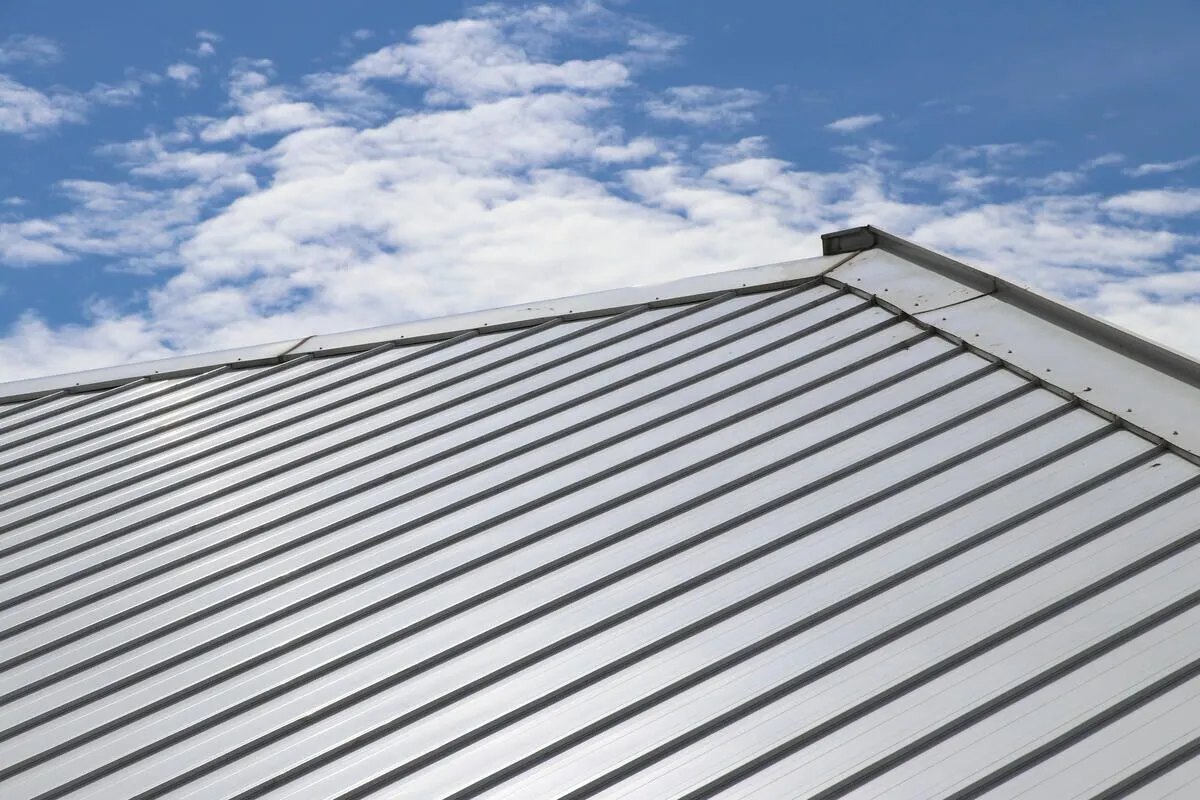
We work from the facts on the roof: membrane condition, drain behavior, edge metal, rooftop equipment, leak history, deck clues, and the access limits that affect safe work. The goal is not to bury an owner in roof jargon. The goal is to make the next decision easier to approve.
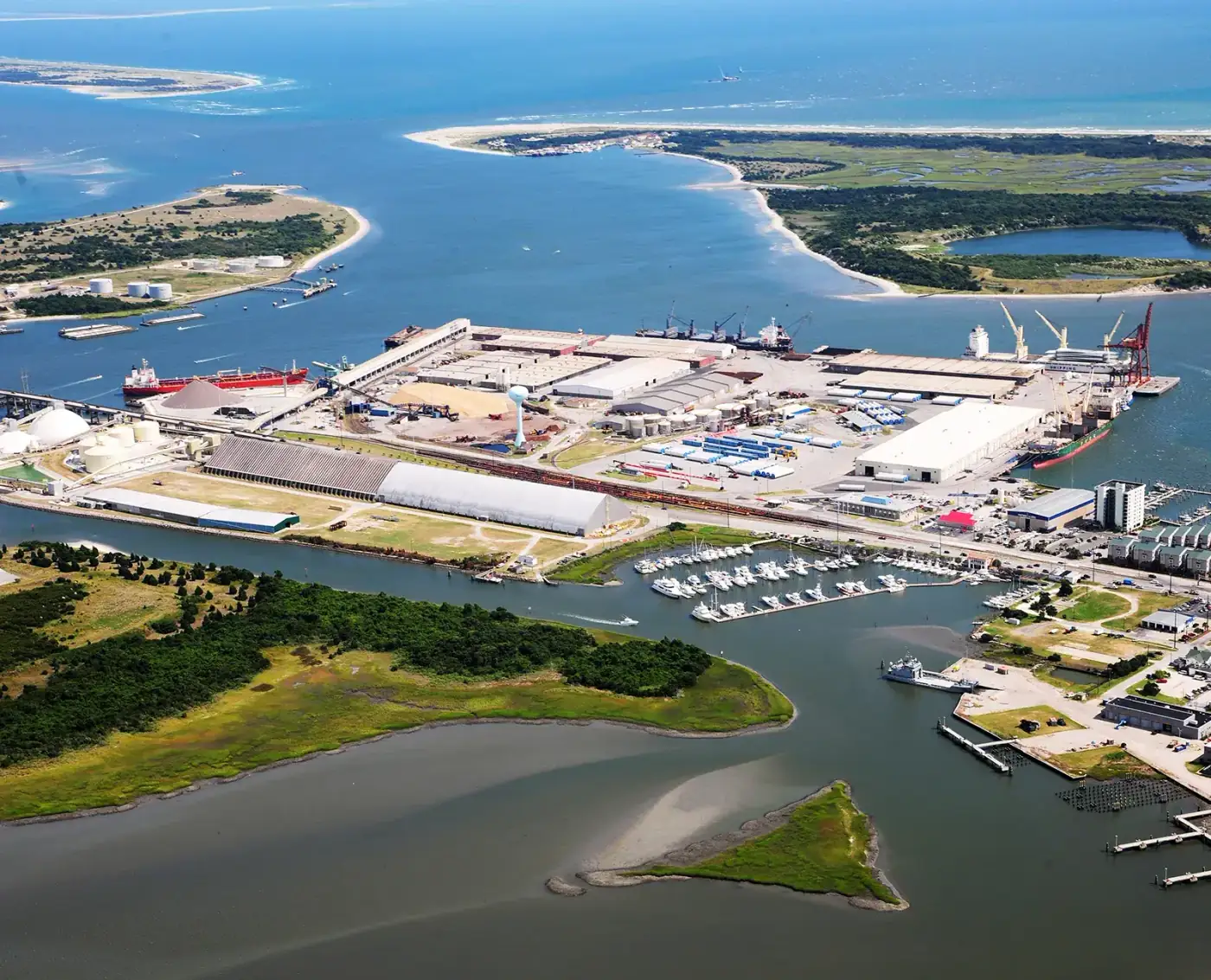
That approach fits Wilmington buildings because the Cape Fear coast changes roof planning. Port traffic, riverfront weather, salt air, heavy rainfall, and occupied commercial properties all affect how repair, maintenance, coating, recover, and replacement work should be staged.
Roof evidence before roof spending
We start with the building, not a canned pitch: membrane type, deck clues, roof access, rooftop equipment, drain behavior, edge metal, tenant exposure, and the decision ownership needs to make next.
That record matters in Wilmington because a roof near the Cape Fear River, Port of Wilmington, or Wrightsville Beach corridor sees different weather, salt air, and access constraints than an inland retail pad.
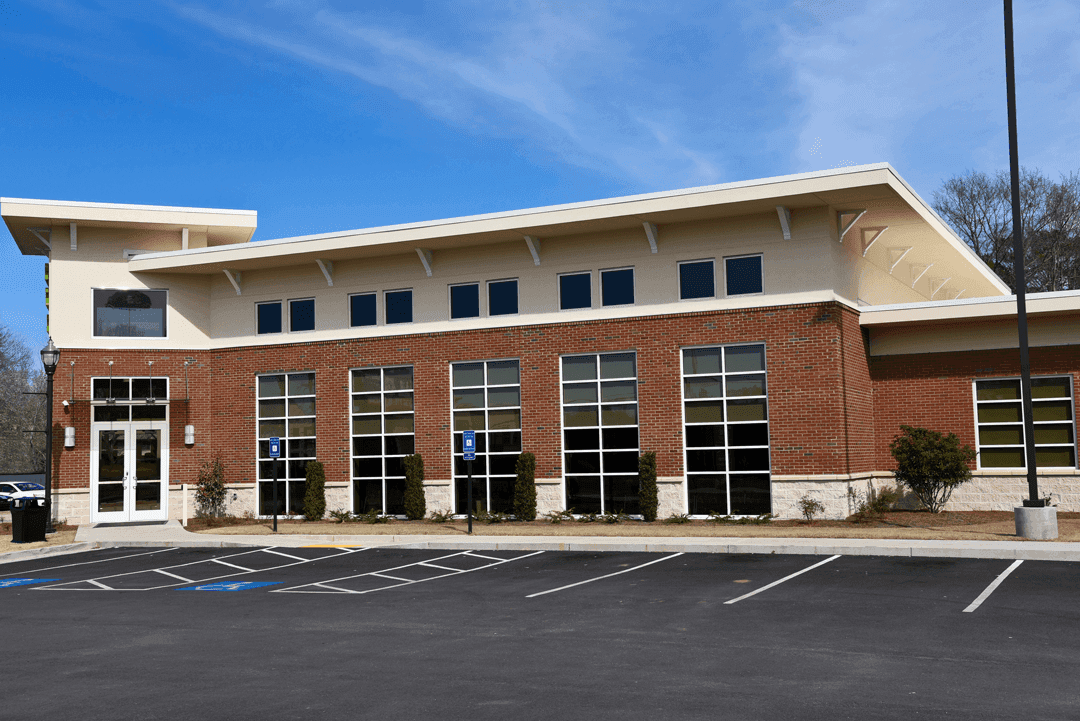
We work around occupied buildings, loading areas, medical offices, warehouses, schools, mixed-use properties, retail centers, and coastal hospitality buildings where downtime and access limits matter.
Our scope language is written so owners can compare repair, coating, recover, and replacement paths without guessing what is urgent and what belongs in a capital plan.