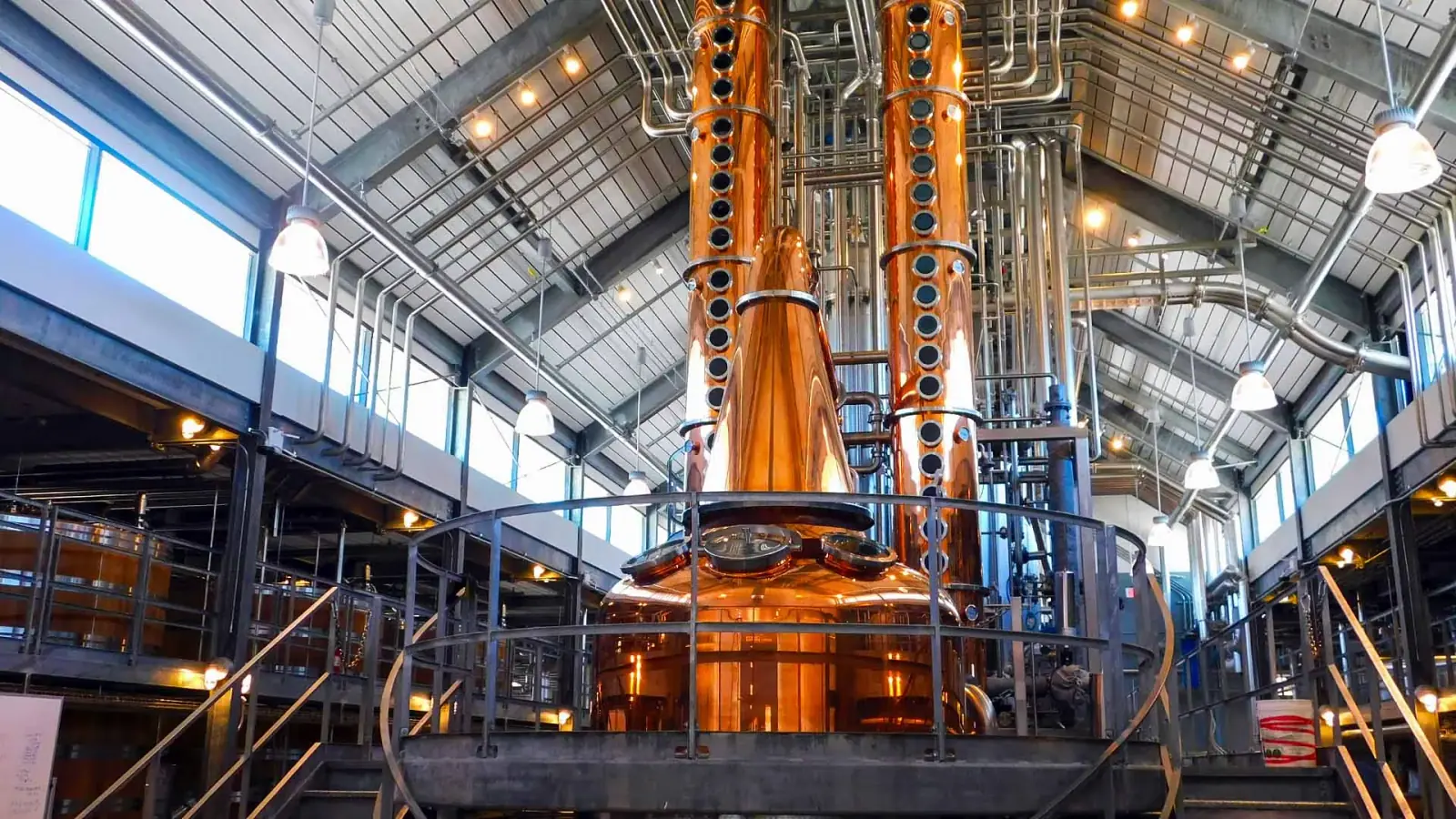
Brewery, distillery, and food production facility roofing in Wilmington operates within a regulatory environment that includes food safety standards, environmental compliance for production waste, and in some cases federal bonded premises requirements for regulated alcohol producers. Construction activity that affects the production environment must be managed within these constraints, not just around them. A roofing project that triggers a food safety non-conformance, a TTB bonded premises violation, or an environmental compliance incident creates regulatory exposure that the facility may spend months resolving.
Stormwater compliance during re-roofing on a production facility in Wilmington requires particular attention because production facilities often discharge to the municipal sewer or to on-site treatment systems that have specific waste stream limitations. Roofing debris, membrane scraps, insulation, adhesive containers, that enters a production facility's drainage system can cause a compliance incident. We install debris capture controls at all drain openings during demolition phases and document debris disposal separately from standard construction waste, in compliance with NC's waste management regulations for facilities in regulated production occupancies.
Building permit requirements for production facility re-roofing in Wilmington may include review by the city's industrial facilities inspector or the county health department, depending on the production classification of the facility. Food production and beverage manufacturing facilities are subject to health department inspection authority that extends to the building envelope in some jurisdictions, a roof replacement may trigger a health department courtesy inspection. We alert production facility operators to this possibility during pre-construction so the health department relationship is managed proactively rather than reactively.
Operational details that change the roof plan
Brewery, Distillery & Food Production Roofing work has to be sequenced around the activity under the roof. We review loading areas, customer or patient access, tenant hours, rooftop equipment, fire lanes, interior leak history, and any areas where noise, odor, debris, or temporary closures would create problems for the building.
Those constraints change quickly across Wilmington. A roof near Pender Commerce Park may need different staging than a roof near Oleander Drive, while coastal exposure near Pender County can move edge metal, drainage, and temporary dry-in higher on the priority list.
The finished scope has to be usable by more than one person. We write the findings so facility teams can understand the active roof condition, property managers can coordinate occupants, and ownership can separate urgent leak control from longer-term capital work without guessing what the field notes mean.
Before work starts, we also flag the assumptions that affect price and disruption: fall protection, material staging, interior protection, temporary dry-in, waste handling, and the roof areas where deck or insulation conditions may change the recommendation after investigation.
We keep that decision record attached to the roof area instead of burying it in a generic estimate. If ownership chooses a repair path, the record shows what was intentionally left for later maintenance. If the building needs capital planning, the same notes become the starting point for alternates, phasing, exclusions, and the schedule constraints that affect final pricing.
That is also where communication gets practical: who can approve a change, when the roof can be opened, which entrances or loading areas have to stay clear, and what photos or notes need to be captured before the work is closed out.
When those details are settled early, pricing conversations are cleaner and the roof work is less likely to turn into an emergency change order.
That record also gives managers a clear baseline for the next inspection cycle.
- Map the roof into work zones that match access, safety, and building operations.
- Flag roof areas where wet insulation, ponding, traffic paths, or equipment curbs change the budget.
- Keep the scope usable for ownership, facility teams, property managers, and bid reviewers.
Brewery & Distillery Roofing, Compliance Questions
What environmental compliance applies to brewery re-roofing demolition waste?
Roofing demolition at a production facility generates material that must be segregated from production waste streams. Membrane tear-off, insulation, and adhesive containers are construction demolition waste, not production waste, and are disposed of under standard construction waste permits. If the existing roof contains materials that may have been contaminated by production chemicals (membranes near exhaust terminations, drain sumps near chemical storage), those materials may require waste characterization before disposal. We sample and characterize suspect materials before disposal and provide the waste manifest as a closeout deliverable.
What are the TTB requirements for roofing construction at a bonded distillery?
TTB-regulated bonded premises must maintain control over access to the production and storage areas. Construction crews working in or on bonded premises are typically required to be escorted or supervised by a bonded employee, and the facility's security plan should address construction access protocols. Some TTB offices require notification of major construction at bonded premises. We work with the facility's TTB compliance contact to confirm the access and notification requirements before mobilization.
What FDA requirements apply to roofing construction at a beverage production facility?
FDA-regulated food and beverage facilities must maintain hygienic facility conditions under 21 CFR Part 110 (Good Manufacturing Practice). Construction that introduces dust, foreign material, or pest entry points into production areas must be managed with hygienic construction practices, sealed construction barriers between work areas and production spaces, HEPA-filtered dust containment, and pest exclusion measures at all openings created during construction. We include FDA GMP-compatible construction protocols in our mobilization plan for production facility projects and provide documentation of the protective measures taken during construction.
What fire code requirements apply to roofing on a distillery?
Distilleries storing and processing flammable spirits are classified as hazardous occupancy buildings under the IBC. Roofing materials and adhesives used at a distillery must meet the flame spread and smoke development ratings required for hazardous occupancy. Solvent-based adhesives may be restricted or require fire suppression standby during application in some jurisdictions. We verify the fire code requirements for the specific hazardous occupancy classification of the distillery before specifying materials and include the compliance documentation in the permit submittal.
What permit conditions apply to production facility re-roofing in Wilmington?
Beyond the standard building permit, production facilities in Wilmington may require coordination with the city's industrial facilities program or the environmental health division before roofing construction begins. We confirm the permit conditions with the Wilmington building department before submitting the application. For facilities with active industrial stormwater permits (NPDES permits), the permit conditions may require notification of construction activity that could affect stormwater quality. We include all regulatory notifications in our pre-construction checklist.