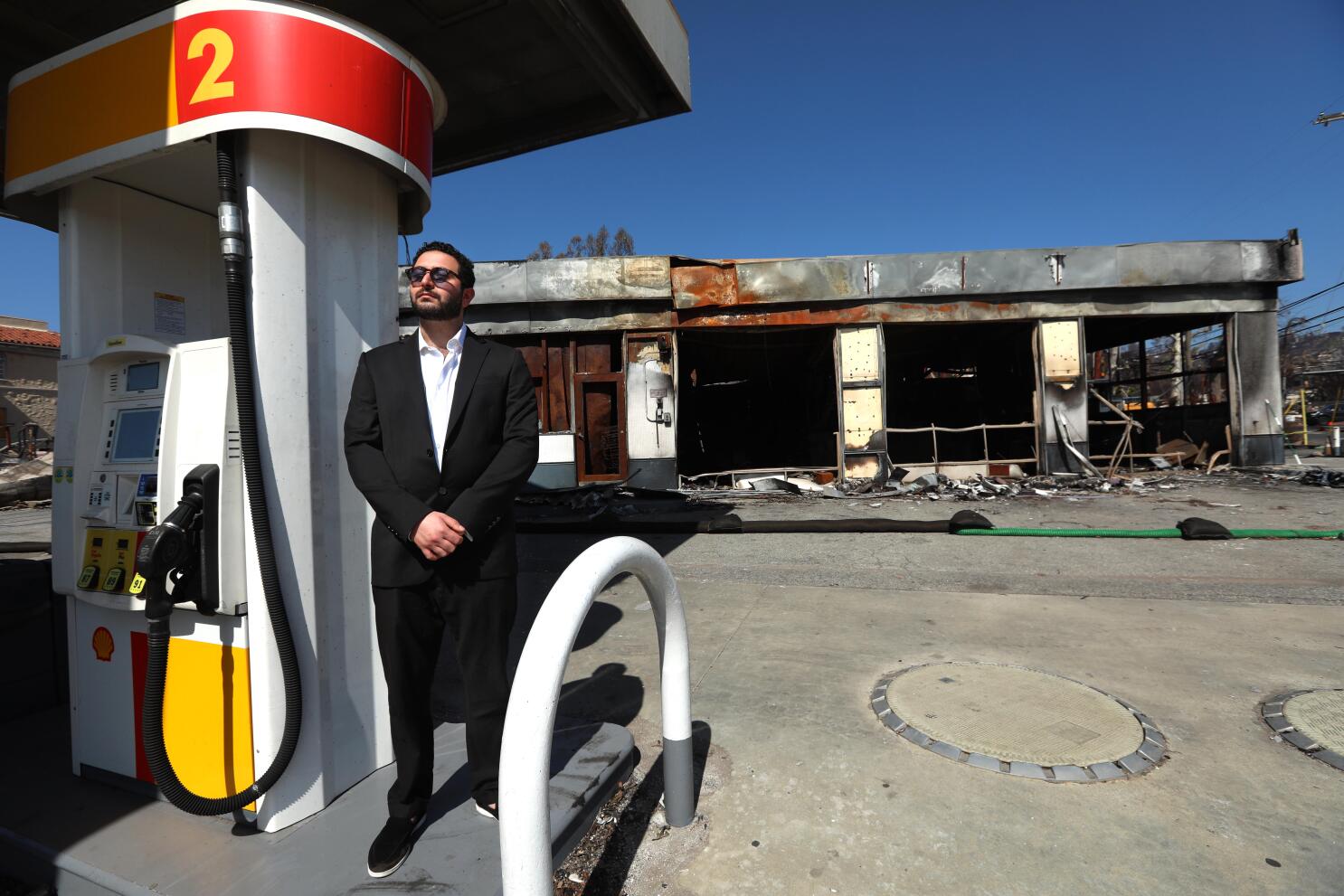
Convenience Store Roofing in Wilmington, NC covers a small footprint, typically 2,500 to 4,000 square feet, but the mechanical complexity is disproportionate to the roof area. Refrigerated case condensate, reach-in cooler vents, HVAC units serving the food service area, and fuel system exhaust penetrations all concentrate in a small membrane field. Flashing failures at any of these points create interior damage that can trigger health code citations, environmental review, or customer-facing operational shutdowns.
Fuel pump canopy-to-building transitions are the most common failure point in Convenience Store Roofing. The canopy drains independently, but its roof line connects to the main building envelope at a transition flashing that is exposed to fuel vapor condensation, thermal cycling, and vehicle traffic vibration. Convenience Store Roofing inspections in Wilmington always prioritize the canopy transition detail because deterioration there often precedes interior leaks that the store manager attributes to a different area of the roof.
National brands operating in Wilmington, New Hanover County, Brunswick County, Pender County, and the Cape Fear coast, including 7-Eleven, Circle K, Wawa, Sheetz, and regional chains, have corporate roof standards and approved vendor programs that govern how Convenience Store Roofing work is documented, permitted, and closed out. Owner-operators of independent convenience stores in Wilmington face the same mechanical penetration challenges without the national account support structure. Commercial Roofing of Wilmington works with both groups, providing the documentation and scope detail that satisfies corporate procurement and the straightforward field review that independent operators need.
Convenience stores in Wilmington operate 24 hours a day, which means Convenience Store Roofing work is planned around the fuel delivery schedule, night-shift operations, and the food service prep window. Drainage at areas near vehicle traffic zones must be checked during every Convenience Store Roofing inspection because asphalt sealer, tire debris, and fuel residue can block roof drains and scuppers that are otherwise in good condition.
Call +19109812504 or email [email protected] to discuss Convenience Store Roofing for your Wilmington location. We provide a roof scope that accounts for fuel canopy transitions, refrigeration penetrations, occupancy schedule, and the documentation your brand or lender may require.
Operational details that change the roof plan
Convenience Store Roofing work has to be sequenced around the activity under the roof. We review loading areas, customer or patient access, tenant hours, rooftop equipment, fire lanes, interior leak history, and any areas where noise, odor, debris, or temporary closures would create problems for the building.
Those constraints change quickly across Wilmington. A roof near Castle Hayne may need different staging than a roof near Port of Wilmington, while coastal exposure near Pender Commerce Park can move edge metal, drainage, and temporary dry-in higher on the priority list.
The finished scope has to be usable by more than one person. We write the findings so facility teams can understand the active roof condition, property managers can coordinate occupants, and ownership can separate urgent leak control from longer-term capital work without guessing what the field notes mean.
Before work starts, we also flag the assumptions that affect price and disruption: fall protection, material staging, interior protection, temporary dry-in, waste handling, and the roof areas where deck or insulation conditions may change the recommendation after investigation.
We keep that decision record attached to the roof area instead of burying it in a generic estimate. If ownership chooses a repair path, the record shows what was intentionally left for later maintenance. If the building needs capital planning, the same notes become the starting point for alternates, phasing, exclusions, and the schedule constraints that affect final pricing.
That is also where communication gets practical: who can approve a change, when the roof can be opened, which entrances or loading areas have to stay clear, and what photos or notes need to be captured before the work is closed out.
When those details are settled early, pricing conversations are cleaner and the roof work is less likely to turn into an emergency change order.
That record also gives managers a clear baseline for the next inspection cycle.
- Map the roof into work zones that match access, safety, and building operations.
- Flag roof areas where wet insulation, ponding, traffic paths, or equipment curbs change the budget.
- Keep the scope usable for ownership, facility teams, property managers, and bid reviewers.
Questions Owners Ask
What is the most common failure point in Convenience Store Roofing?
The fuel canopy-to-building transition flashing is the most common failure point. Thermal cycling, fuel vapor condensation, and vehicle vibration degrade this joint faster than the field membrane.
How do you handle Convenience Store Roofing at 24-hour locations?
We schedule work during the lowest-traffic window, typically overnight or early morning, and coordinate with the store manager to keep entrances, fuel access, and delivery areas clear during the roofing work.
Do national c-store brands have specific documentation requirements?
Yes. Chains like Circle K, 7-Eleven, and others require approved contractor credentials, product data sheets, and a documented scope that matches their corporate facility standards before approving any roofing work.
How often should Convenience Store Roofing be inspected?
At minimum twice a year, with extra attention after storm events. The penetration density on a convenience store roof creates more potential failure points per square foot than most commercial building types.