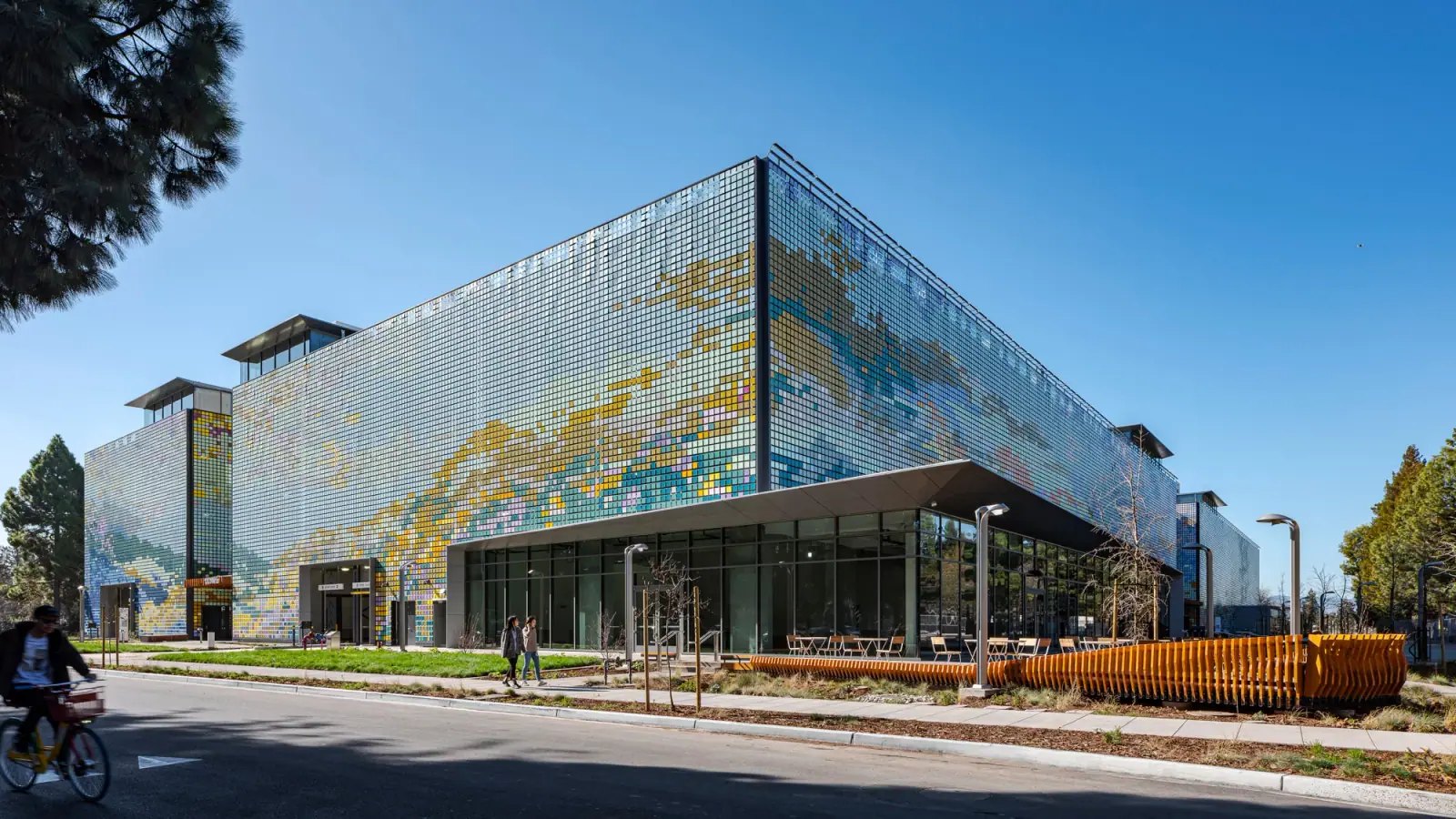
Parking structure waterproofing in Wilmington is a structural protection discipline, not a roofing application dressed up in waterproofing language. The membrane system on a parking deck is protecting reinforced concrete from chloride intrusion: the process by which road salt, deicing chemicals, and atmospheric chlorides migrate through the concrete matrix to the embedded rebar and initiate corrosion. Once rebar corrosion begins in a parking structure, the structural repair cost dwarfs the waterproofing cost that would have prevented it. The membrane is protecting the building's structure, not just its interior contents.
Traffic-bearing waterproofing membranes for parking structures in Wilmington are fundamentally different products from roofing membranes. Polyurethane and MMA (methyl methacrylate) vehicular traffic systems are engineered to flex under vehicle load cycling, the repeated compression and release as tires traverse the deck surface, without fatiguing or delaminating from the substrate. EPDM and TPO membranes are not rated for vehicular traffic. Applying a roofing membrane to a parking deck produces a system that will fail within 2-3 years under tire traffic load. We specify polyurethane or MMA traffic systems for every parking deck, not roofing membranes applied to a concrete substrate.
The intermediate deck specification for a parking structure in Wilmington differs from the top deck. The top deck carries both traffic load and direct exposure to UV, precipitation, and freeze-thaw cycles. Intermediate decks carry vehicle traffic from above but are sheltered from direct weather exposure. The top deck specification is the most demanding, UV-stable topcoat, maximum chemical resistance, maximum freeze-thaw rating. Intermediate decks can use a base system without the UV topcoat requirement, which reduces cost without sacrificing traffic-bearing performance. We design each deck level's system to its specific exposure conditions.
Operational details that change the roof plan
Parking Structure & Deck Waterproofing work has to be sequenced around the activity under the roof. We review loading areas, customer or patient access, tenant hours, rooftop equipment, fire lanes, interior leak history, and any areas where noise, odor, debris, or temporary closures would create problems for the building.
Those constraints change quickly across Wilmington. A roof near Wilmington Riverfront may need different staging than a roof near UNC Wilmington, while coastal exposure near Leland can move edge metal, drainage, and temporary dry-in higher on the priority list.
The finished scope has to be usable by more than one person. We write the findings so facility teams can understand the active roof condition, property managers can coordinate occupants, and ownership can separate urgent leak control from longer-term capital work without guessing what the field notes mean.
Before work starts, we also flag the assumptions that affect price and disruption: fall protection, material staging, interior protection, temporary dry-in, waste handling, and the roof areas where deck or insulation conditions may change the recommendation after investigation.
We keep that decision record attached to the roof area instead of burying it in a generic estimate. If ownership chooses a repair path, the record shows what was intentionally left for later maintenance. If the building needs capital planning, the same notes become the starting point for alternates, phasing, exclusions, and the schedule constraints that affect final pricing.
That is also where communication gets practical: who can approve a change, when the roof can be opened, which entrances or loading areas have to stay clear, and what photos or notes need to be captured before the work is closed out.
When those details are settled early, pricing conversations are cleaner and the roof work is less likely to turn into an emergency change order.
That record also gives managers a clear baseline for the next inspection cycle.
- Map the roof into work zones that match access, safety, and building operations.
- Flag roof areas where wet insulation, ponding, traffic paths, or equipment curbs change the budget.
- Keep the scope usable for ownership, facility teams, property managers, and bid reviewers.
Parking Structure Waterproofing, Technical Questions
What is the difference between polyurethane and MMA (methyl methacrylate) waterproofing systems?
Polyurethane systems cure at room temperature over 4-8 hours and offer excellent chemical resistance and flexibility. MMA systems cure very rapidly (30-60 minutes) which allows faster return-to-service and reduces cold-weather installation constraints, MMA can be applied at temperatures as low as -20°F. For parking structures that need rapid return-to-service for operational reasons, MMA is the preferred system. For standard commercial parking structures in Wilmington's climate, both systems are appropriate and the selection is typically driven by contractor preference and specified aggregate finish.
How do you assess concrete substrate condition before waterproofing?
Substrate assessment includes: delamination sounding across the full deck surface, core sampling at representative locations to assess carbonation depth and chloride content, visual mapping of existing crack patterns and joint conditions, and drain area condition assessment. The core sample results determine whether rebar corrosion has already begun, if corrosion is documented, structural repair of the affected sections precedes waterproofing. Applying a membrane over corrosion-active concrete delays the structural problem without solving it.
What is the correct aggregate broadcast for a parking deck surface?
Aggregate broadcast density and particle size determine the slip resistance of the finished surface. Most Wilmington parking deck specifications require a minimum of 40 pounds per 100 square feet of quartz aggregate broadcast at the topcoat stage, producing a slip resistance coefficient of 0.6 or higher (measured by ASTM C1028). Ramp surfaces require higher aggregate density, typically 60-80 pounds per 100 square feet, to meet code requirements for sloped vehicular surfaces. We broadcast aggregate to the specified density and test finished surfaces before construction sign-off.
How long does a new traffic-bearing waterproofing system take to cure before vehicles can drive on it?
Full cure time for polyurethane parking deck systems in Wilmington's typical ambient temperatures (60-80°F) is 24-48 hours for light vehicle traffic and 72 hours for full truck and emergency vehicle traffic. MMA systems are ready for light vehicle traffic in 1-2 hours under the same conditions. Cold weather significantly extends polyurethane cure times, below 50°F ambient, cure time can double. We never put a deck section back into service before the manufacturer's minimum cure time for the ambient temperature at installation.
What causes parking deck waterproofing to fail prematurely?
The most common failure modes in order of frequency: joint seal failure at expansion joints (movement exceeds seal capacity), drain area delamination (standing water hydrostatically lifts the membrane), surface cracking at non-moving cracks that were not properly routed and filled before membrane application, and UV degradation of polyurethane topcoats that weren't protected with a UV-stable finish coat. All four are preventable with correct specification and installation, and all four are common on price-driven projects that cut corners on joint details, concrete repair, and topcoat selection.