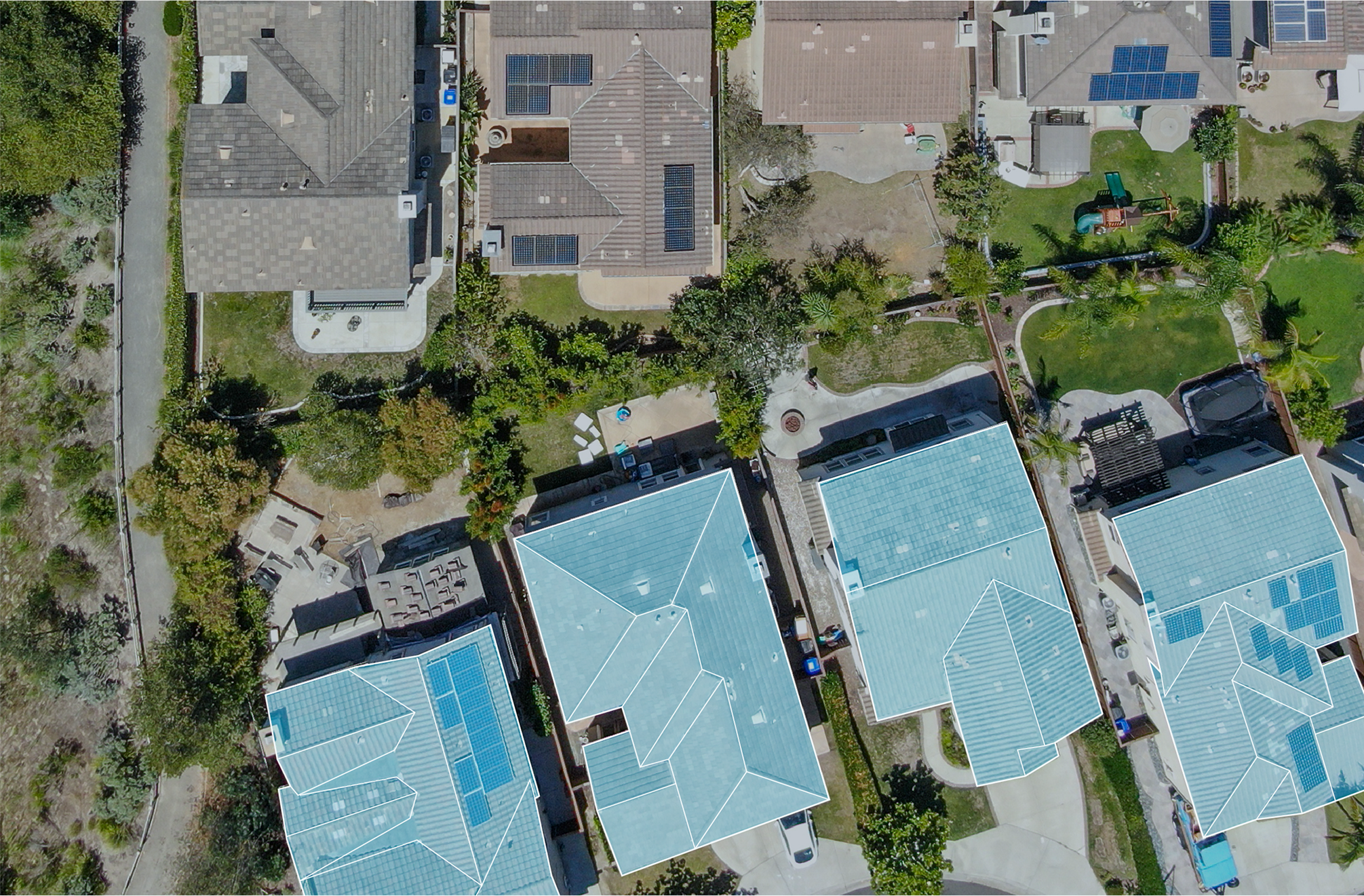
A commercial roof claim is only as strong as the evidence and scope behind it. Wilmington's commercial building stock runs low-slope — TPO and modified bitumen over the office parks near Mayfaire and Military Cutoff, built-up and single-ply systems over the warehouses and distribution buildings around the Port of Wilmington, ILM Business Park, and Pender Commerce Park, standing seam metal over retail and hospitality buildings along the beach corridors. Each of those roof types fails differently under wind, wind-driven rain, and hail, and each requires a different kind of documentation to support a full and accurate insurance payout. We're a roofing contractor, not a public adjuster, and our part in a claim is straightforward: inspect the roof, document the damage with photographs and measurements, meet the adjuster on site, and write a repair scope that reflects the true extent of the loss.
What a Commercial Roof Claim Requires
Every commercial roof claim needs a clear record of two things: the roof's condition before the loss event, and the damage caused by that event. A dated pre-loss inspection report — ideally something already on file from routine maintenance — establishes the baseline. Without it, an adjuster reviewing a claim has to infer what was storm damage versus what was pre-existing wear, and that inference tends to run conservative. Post-loss, we document every damaged area with close-up and overview photography, roof-plan mapping showing where each condition sits, and written notes on the likely mechanism of damage — wind uplift at a seam, debris impact, or wind-driven rain intrusion at a penetration. On membrane systems we check for moisture with an infrared scan or core cuts where wet insulation is suspected, since trapped moisture under an intact membrane is easy to miss on a visual walk.
Meeting the Adjuster
Most commercial carriers assign a field adjuster who inspects the roof in person or reviews aerial and drone imagery remotely. We make it a practice to walk the roof with the adjuster whenever that's possible, point out each documented condition, and explain the damage mechanism in plain terms. An adjuster who inspects a torn membrane edge without a roofer present may reasonably assume it's a maintenance issue; the same adjuster, shown the wind-speed pattern of the tear and the surrounding fastener pullout, has the information needed to attribute it correctly to the storm event. We answer technical questions on site and provide our written scope in a format adjusters are used to working from — organized by roof section, with quantities and a clear description of each repair item.
Writing a Complete Scope
A scope that only covers the visibly damaged square footage often misses what the repair actually requires. Wilmington's building code and most manufacturer warranty terms require code-compliant edge metal, proper flashing details, and, on many buildings, matching materials where a partial repair adjoins existing membrane in a different age or condition. On flat and low-slope roofs where damage is scattered across a large field, a patchwork of small repairs can also void the manufacturer warranty on the surrounding membrane, which is a real cost that belongs in the claim discussion even when it isn't obvious from the damage photos alone. We write our scopes to include these items — code-required upgrades, proper matching, and warranty implications — so the estimate reflects what a correct repair actually costs, beyond the minimum visible fix.
When a Claim Is Denied or Underpaid
Claims get denied or underpaid for a few common reasons: the carrier disputes the cause of loss, the documentation on file doesn't clearly establish storm damage versus wear, or the scope was written from a desktop review rather than an on-site inspection. If you've received a denial or a settlement that seems short of the actual damage, we can re-inspect the roof, produce additional technical documentation addressing the specific point in dispute, and provide that report to you or to whoever is representing you in the claim. We don't file appeals or negotiate settlement terms with the carrier — that's the role of a public adjuster or attorney — but the technical roofing documentation behind an appeal often makes the difference in how it's received.
We're your roofing contractor, not a public adjuster — we document and substantiate the roof damage so you and your adjuster work from an accurate scope. If your building has recent storm or wind damage, we'll inspect the roof, put together the documentation your claim needs, and meet your adjuster on site.
Questions Owners Ask
Does insurance cover commercial roof replacement?
Most commercial property policies cover roof replacement when the damage is caused by a covered peril and the loss exceeds the repair threshold in the policy. Whether your claim ends up a repair or a full replacement depends on the extent of the damage, the roof's remaining service life, and your policy's actual-cash-value versus replacement-cost terms. We document the damage and give you a scope that shows both options clearly.
What does the commercial roof insurance claim process look like?
Broadly: the damage happens, you report it to your carrier, an adjuster is assigned, the roof gets inspected — often with your contractor present — a scope and estimate get produced, and the carrier issues payment against the agreed scope. Our part is the documentation and the adjuster walkthrough; the claim itself is between you and your carrier.
What if my commercial roof claim gets denied?
A denial isn't always final. Carriers sometimes deny claims where the cause of loss is disputed or the file lacks clear documentation. We can re-inspect the roof and produce technical documentation that speaks directly to the stated reason for denial, which you or your public adjuster can use to support an appeal. Filing and negotiating the appeal itself is outside our role.
Should I repair or fully replace my roof after storm damage?
It depends on the extent and pattern of the damage, how much service life the roof had left before the loss, and whether code requirements would force a broader recover or tear-off once repair work begins. We document the damage pattern and provide a scope sized to what the roof actually needs rather than the minimum that covers the visible damage.
Do you file the claim or deal with my insurance company directly?
No — we're a roofing contractor, not a public adjuster or attorney. We inspect the roof, document the damage, meet your adjuster on site, and write an accurate repair scope. Filing the claim, negotiating the settlement, and any appeal process is handled by you, your broker, or a public adjuster or attorney you choose to retain.